
A stock gravel bike handles smooth forest service roads and light singletrack fine. Push it onto rougher BC terrain and the limits show up fast. You don't need a mountain bike to close most of that gap, you need the right upgrades. Here's where to start.
Start With Tires
Tires are the highest-impact, lowest-cost upgrade, and usually the first thing worth changing. Wider, knobbier tires immediately add stability and grip on loose or rocky terrain that stock gravel tires struggle with. We've covered width and pressure in detail in our gravel bike tire width and pressure guide, so start there before spending on anything else.
Add Front Suspension
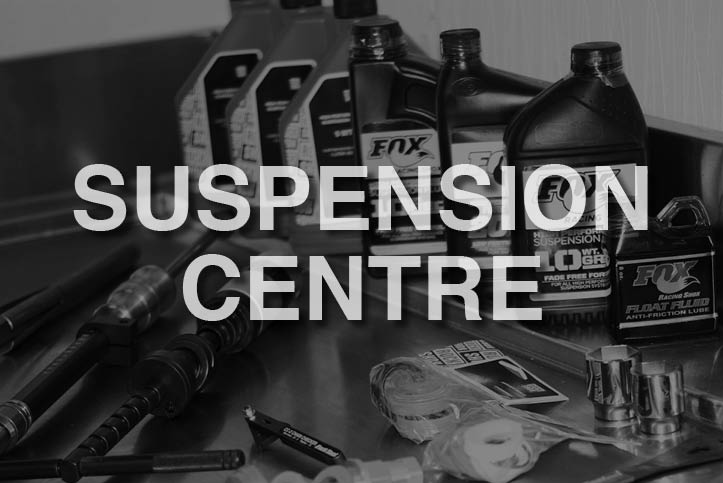
A short-travel gravel suspension fork, typically 30 to 40mm of travel, takes the edge off rougher terrain without changing the bike's character the way a full mountain bike fork would. It won't turn your gravel bike into a trail bike, but it meaningfully reduces arm fatigue and improves front-wheel control on chattery, rocky sections. Some gravel bikes, like the Santa Cruz Stigmata with a RockShox Rudy fork, come this way from the factory; others can be upgraded aftermarket if your fork mount supports it.

Consider a Dropper Post
A dropper post matters more on gravel than most riders expect. Getting your seat out of the way on a loose, steep descent changes how confidently you can move your weight back, which matters more for control than most people assume on a drop-bar bike. Compact gravel-specific droppers exist specifically for this application and fit inside standard gravel frame clearances where a mountain bike dropper wouldn't.

Flat Pedals vs Clipless for Mixed Terrain
If your riding mixes genuine technical sections with road connectors, flat pedals are worth considering even on a drop-bar bike. Being able to put a foot down instantly on loose, steep, or technical terrain is a real safety margin, and modern flat pedal and shoe combinations have closed most of the efficiency gap that used to make this an obvious downgrade. If your riding stays mostly on smoother terrain with occasional rough sections, clipless still makes sense; it's really a question of how much genuinely technical riding you're doing.
Gearing for Climbing Loose, Steep Terrain
Stock gravel gearing is often tuned for road-adjacent riding, not steep, loose climbs. If you're finding yourself out of gear on climbs, a wider-range cassette or smaller chainring gives you the low-end gearing that rough BC terrain actually demands. This is a relatively inexpensive change compared to suspension or a dropper post, and it's worth checking before you spend on bigger upgrades.
What These Upgrades Don't Fix
Be honest with yourself about the limit here. None of these upgrades change your frame's geometry, and a gravel bike's longer, lower-BB geometry is tuned for stability at speed on moderate terrain, not the steep, tight technical moves a mountain bike geometry is built around. If you're finding that every ride pulls you toward genuinely technical singletrack rather than mixed terrain, upgrading a gravel bike will only get you so far. Our gravel bike vs mountain bike guide can help you figure out whether you've actually outgrown the category.
Which Upgrades to Prioritize
On a limited budget: tires first, then gearing. Both are relatively inexpensive and address the two most common complaints (grip and climbing) directly.
If you're committed to riding rougher terrain regularly: add the suspension fork and dropper post. These cost more but change how the bike behaves on descents in a way tires and gearing alone can't.
If you're doing both road connectors and rough trail sections regularly: consider flat pedals as a low-cost way to add confidence on the technical parts without giving up efficiency on the road sections.
FAQ
Can you use a gravel bike on trails?
Yes, for smooth to moderately rough trails. Genuinely technical singletrack, roots, rock gardens, steep drops, is still better suited to a mountain bike even with upgrades, since geometry is the limiting factor upgrades can't fully address.
How much harder is biking on gravel versus pavement?
Noticeably, due to rolling resistance from wider, knobbier tires and looser surfaces. This is normal and expected; it's the tradeoff for the added capability.
What are the downsides of using a gravel bike on rough terrain?
Limited suspension travel even with a fork upgrade, a riding position that's less ideal for very technical moves, and geometry that isn't built around the steep, tight handling mountain bikes are designed for.
Upgrade Your Gravel Bike at Dunbar Cycles
Not sure which upgrade makes the most sense for your riding and budget? Come into Dunbar Cycles in Vancouver or Corsa Cycles in Squamish and we'll help you prioritize. Browse our full gravel bike lineup to see current models, several of which already come with suspension forks or dropper compatibility built in.